
Uncategorized
Heavy Duty RC Construction Vehicles UK: The Ultimate 2026 Hobbyist Guide
Jul
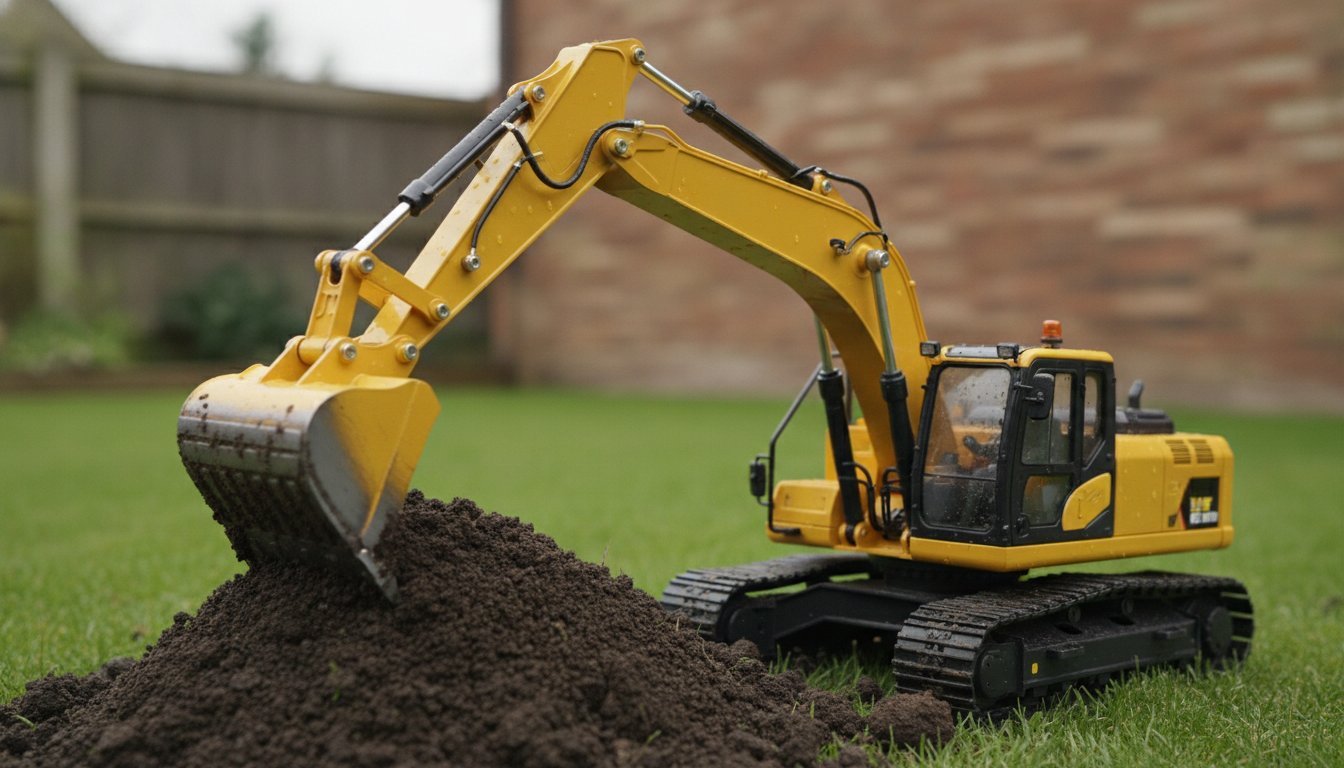
What if your next “toy” was actually a miniature engineering marvel capable of shifting real earth in your back garden? Many of us have felt that sting of disappointment after unboxing a model that looks the part but lacks the grit to handle a simple pile of damp UK soil. It’s a common frustration; you want a machine that works as hard as the real thing, not a plastic shell that struggles with a handful of gravel. Finding authentic RC construction vehicles with metal parts UK hobbyists can actually rely on is the first step toward building a truly functional miniature site.
We understand that the jump from casual play to serious collecting can feel daunting, especially when you’re faced with technical jargon about battery types or concerns about how expensive gear handles the unpredictable British weather. That’s why we’ve put together this guide. You’ll discover how to choose, operate, and maintain professional-grade machinery to ensure your fleet stays in peak condition. We’ll explore the mechanics of 1:22 and 1:24 scale plant machinery, demystify the power systems, and help you connect with a thriving community of fellow enthusiasts right here in the UK.
Key Takeaways
- Learn how to identify true professional-grade machinery by looking for metal gears and alloy buckets that offer the stability needed for actual excavation.
- Understand why 1:22 and 1:24 scales are the ideal sizes for UK collectors, balancing realistic detail with the space available in a typical British garden.
- Discover the mechanical differences between screw actuators and hydraulics to ensure you select RC construction vehicles with metal parts UK enthusiasts trust for durability.
- Get practical tips on setting up your first miniature construction site, including advice on how to protect your fleet from the damp British weather.
- Find out how to grow your collection through a curated selection of high-quality models and high-capacity batteries for longer operating sessions.
Beyond the Toy Box: Why Heavy Duty RC Construction is Capturing the UK
The UK hobby scene is witnessing a fascinating transformation. Whilst racing cars once dominated local parks and tracks, a new breed of enthusiast is slowing things down. We’re seeing a massive surge in interest for machinery that doesn’t just move fast but actually performs a job. This shift toward plant machinery is driven by a desire for mechanical realism. For many, the transition starts with a shelf of static models. Eventually, the urge to see those hydraulic arms move becomes irresistible. It’s no longer just about the look; it’s about the work.
Defining “heavy duty” in 2026 has moved past simple aesthetics. It’s no longer enough to just look like a JCB or a Volvo. True RC construction vehicles with metal parts UK collectors look for specific engineering benchmarks. We’re talking about hardened metal gears that won’t strip under pressure, alloy buckets that can bite into sun-baked clay, and weighted chassis that provide the leverage needed for a full dig cycle. It’s about the weight in your hands. A machine that weighs 3kg or 5kg feels fundamentally different from a plastic toy. This physical presence is a core part of the appeal, offering a sense of permanence and quality that plastic simply cannot match.
When you look at the history of radio-controlled cars, the evolution from basic “on-off” steering to the complex telematics we see today is staggering. Modern hobbyists aren’t just driving; they’re operating. There’s a deep, meditative satisfaction in the precise control required to level a patch of garden or load a 1:24 scale tipper truck. The global market for these machines is growing rapidly, with projections suggesting the industry will reach a value of approximately £605 million by 2030.
The Rise of the Adult Hobbyist
The community is growing fast. What used to be a niche interest is now a mainstream escape. High-quality remote control vehicles for adults UK offer a tactile break from the digital world. It isn’t just about solo play either. The UK now hosts dedicated events like the 1/14 RC Model Truck Annual Gathering, which has confirmed dates through to 2029. These “dig days” allow enthusiasts to collaborate on massive miniature infrastructure projects, moving tonnes of soil over a weekend. It’s a shared passion for technical mastery and community building.
Hobby-Grade vs Toy-Grade: The Real Differences
The biggest differentiator is proportional control. Toy-grade models often have binary movements; the arm is either fully up or fully down. Professional-grade RC construction vehicles with metal parts UK offer granular response. If you move the transmitter stick a millimetre, the bucket moves a millimetre. This precision is vital when working with damp UK soil that sticks and clumps. Durability is the other factor. Metal components survive the grit that inevitably enters the joints. Plus, these machines are designed to be repaired, not replaced. Having access to spare parts means your investment lasts for years, not just one season.
Deciphering Scales: Finding the Right Size for Your Fleet
Finding the perfect scale for your collection is often the first real challenge a hobbyist faces. In the UK, where our garden space and spare rooms are often at a premium, size really does matter. Have you ever bought a model only to realise it’s far too large to actually use in your dedicated “construction site”? Whilst 1:14 scale machines are popular, they are often massive, heavy, and difficult to manoeuvre in a typical British semi-detached garden. This is why many of us gravitate toward the 1:22 and 1:24 scales. They offer a brilliant balance of intricate detail and manageable size.
What do these numbers actually mean in practice? Simply put, a 1:22 scale model is 22 times smaller than the full-sized equivalent. On a shelf, a 1:22 excavator has a commanding presence without requiring you to clear an entire room just to store it. When searching for RC construction vehicles with metal parts UK, these mid-range scales are the most practical choice for those who want to transition from static displays to active operation. They feel substantial in the hand but won’t break your back when you’re moving them from the garage to the garden.
Mixing scales in a single diorama is a common practice amongst enthusiasts. A 1:22 digger loading a 1:24 truck looks remarkably realistic, as real-world machinery often varies in size depending on the manufacturer and the specific job. Keeping your fleet organised is equally important. Investing in dedicated storage cases or sturdy shelving not only keeps your models safe from dust but also preserves the finish of those alloy buckets and metal chassis. After all, these aren’t just toys; they’re investments in a long-term passion. Collectors who appreciate the authentic weight and engineering detail of precision diecast replicas often find themselves drawn to other high-quality scale models too, such as 1:18 scale Ferrari models UK enthusiasts prize for their museum-quality metal construction and intricate detail.
The Versatility of 1:22 Scale Construction Vehicles
Starting your journey by choosing a 1:22 remote control excavator for your hobby is a brilliant way to test the waters. This scale is incredibly versatile. It’s small enough to use in an indoor sand tray during a rainy Tuesday, yet robust enough to tackle a flower bed on a sunny weekend. For those interested in the wider hobby landscape, the British Radio Car Association provides a wealth of information on UK standards and community events. These models are also much easier to transport to local club meets in the back of a car compared to their larger counterparts.
The 1:24 Scale: Precision in Smaller Spaces
The 1:24 scale is where precision really shines, especially for indoor warehouse-style play. A 1:24 remote control forklift can navigate tight corners and lift pallets with surprising grace. These compact machines often feature detailed interiors and movements that mimic hydraulic systems using clever screw actuators. They also pair perfectly with 1:24 scale diecast trucks UK enthusiasts already love. Looking to expand your site? You can browse our curated collection of 1:24 machinery to find the next addition to your fleet.
The Engineering Behind the Dirt: Motors, Actuators, and Power
How does a machine that fits on your desk manage to lift a bucket full of heavy garden soil? The secret lies in the mechanical “muscles” hidden beneath the alloy shell. Whilst toy-grade models rely on flimsy plastic gears that skip and strip under pressure, professional RC construction vehicles with metal parts UK enthusiasts favour use high-torque electric screw actuators. These actuators work like a threaded bolt; as the motor spins, the arm extends with incredible force. This provides the mechanical advantage needed to bite into compacted earth, a feat that would snap a plastic equivalent in seconds.
For those who appreciate the heritage of these machines, the Historical Construction Equipment Association offers a look at how these mechanical principles were first applied to full-scale plant machinery. In our 1:22 or 1:24 scale world, we replicate these movements using precision electronics. This brings us to the importance of 2.4GHz radio technology. In years past, operating multiple vehicles meant clashing frequencies. Today, 2.4GHz allows dozens of operators to work on the same site without interference. It’s the backbone of any successful “dig day,” ensuring your excavator doesn’t suddenly lurch forward because someone else turned on their transmitter.
Realism isn’t just about movement; it’s about the atmosphere. Modern heavy-duty models often include sound modules that mimic the low-end rumble of a diesel engine and the hiss of air brakes. Combined with functioning LED work lights, these features transform a simple garden patch into a convincing miniature job site. However, the most underrated mark of quality is weight. A heavy metal chassis isn’t just for show; it acts as a vital counterweight. Without that physical mass, your machine would simply tip over the moment the bucket hit the ground. Weight equals stability, and in the world of RC construction, stability is everything.
Powering Your Site: Battery Basics
The transition to high-capacity Li-ion and LiPo batteries in 2026 has changed the game for UK hobbyists. We’re now seeing run times that actually allow for a proper “workday” on the site, often lasting 30 to 45 minutes per charge. Managing these power cells is a skill in itself. It’s vital to learn how to charge RC car batteries safely to ensure your cells don’t degrade or become a hazard. A good operator always has a spare pack ready in the “canteen” to keep the project moving.
Maintenance for Longevity
British weather is notoriously tough on machinery, and our RC fleets are no exception. After a session in damp UK mud, it’s essential to clean your tracks and buckets. Grit is the enemy of moving parts; a simple soft brush and a damp cloth can prevent premature wear on your metal gears. Don’t forget lubrication. A tiny drop of dry PTFE lubricant on the actuator threads keeps the arms moving smoothly. Finally, if you’re storing your fleet over the colder winter months, ensure your batteries are kept at a “storage voltage” in a cool, dry place to prevent them from losing capacity.

Planning Your First RC Construction Site in the UK
You have chosen your machine and understood the mechanics. Now, you need a place to put that power to work. Building a dedicated site is what separates a casual driver from a true operator. In the UK, our primary challenge is space and, inevitably, the weather. A well-planned site provides the perfect backdrop for your fleet whilst ensuring your equipment remains protected from the elements. Whether you are carving out a corner of the spare room or transforming a flower bed, the goal is to create a realistic environment that challenges your skills.
Sourcing the right aggregate is the most important decision you’ll make. Whilst it’s tempting to use any old mud from the garden, real-world RC construction vehicles with metal parts UK enthusiasts know that consistency matters. Standard garden soil can be too clumpy or sticky when damp, which puts unnecessary strain on your actuators. Many collectors prefer using aquarium gravel or sifted, dried topsoil. These materials flow easily and mimic the look of full-scale aggregate. For an added layer of realism, you can build scale accessories like pallets, bollards, and even small site offices using balsa wood or 3D-printed kits. These small touches turn a pile of dirt into a living project.
Indoor Operations: The All-Weather Solution
Setting up an indoor site is the only way to guarantee a “working day” regardless of the British rain. A 1:24 scale warehouse or loading bay fits perfectly in a spare room or a large garage corner. For indoor digging, kinetic sand is a fantastic choice. It holds its shape for trenches but doesn’t produce the dusty mess that dry soil might. To enhance the “night shift” atmosphere, you can install miniature LED work lights. This creates a highly immersive experience, allowing you to operate your 1:24 forklift or excavator in a controlled, professional environment.
Outdoor Digging: Tackling the Garden
When the sun finally appears, taking your 1:22 scale fleet outside is incredibly rewarding. Sifted, bone-dry soil is your best friend here. It allows your RC construction vehicles with metal parts UK to move earth without the tracks getting bogged down in heavy clay. When designing your outdoor site, try to create realistic slopes and trenches. Avoid making gradients too steep; even heavy-duty motors have limits, and you want to mimic real-world engineering constraints. For a deeper look at how to get the very best performance from your digger in these conditions, our guide on mastering the 1:22 scale RC excavator UK operators rely on covers everything from control channels to outdoor terrain techniques. Most importantly, never leave your fleet outside overnight. Even a small amount of morning dew can find its way into the electronics, so always “park” your vehicles in a dry garage or shed after every session.
Ready to start your own project? You can explore our range of heavy-duty RC machinery to find the perfect vehicle for your new site.
Building Your Collection with Diecast Cartel
Choosing where to buy your next model is just as important as the machine itself. Why settle for an impersonal, mass-market catalogue when you can partner with fellow enthusiasts? At Diecast Cartel, we don’t just shift boxes. We are a UK-based specialist run by people who share your passion for mechanical realism and technical mastery. Every machine in our inventory is curated for quality. If a model doesn’t meet our heavy-duty standards for durability and performance, it simply doesn’t make the cut. We understand the pride that comes with unboxing a new addition, and we want to ensure that excitement lasts for years.
Our focus is on providing RC construction vehicles with metal parts UK hobbyists can rely on for genuine excavation work. We know the frustration of buying a “professional” model only to find it lacks the torque or weight to handle actual soil. By specialising in 1:22 and 1:24 scales, we offer a range that fits the unique needs of the British collector. Whether you’re looking for an excavator that can bite into a garden flower bed or a compact forklift for an indoor warehouse diorama, our collection is built to perform. Plus, as an online specialist, we offer the convenience of UK-wide delivery, bringing the latest 2026 arrivals directly to your doorstep.
The hobby doesn’t stop at construction. Many of our members find that their interests naturally expand into the wider world of 1:24 diecast. A busy construction site often needs support, which is why we also stock a range of diecast trucks and tractors. These models provide the perfect logistical support for your heavy machinery, allowing you to build a complete, functional miniature economy. We are here to support that journey, offering expert advice and technical answers because we are collectors ourselves.
Starting Your Fleet Today
Ready to break ground? For your first purchase, we highly recommend starting with a metal-bucket excavator or a heavy-duty dump truck. These machines offer the most immediate “workday” satisfaction. To ensure you get the most out of your first session, don’t forget to add high-capacity rechargeable batteries to your order. These essential accessories provide the extended play time needed for complex projects. If you’re looking to surprise a fellow enthusiast, you can also browse our diecast truck gift ideas UK for inspiration on the best 2026 releases.
The Diecast Cartel Community
Joining the Diecast Cartel means more than just making a transaction. It’s about joining an inclusive, community-oriented group of UK collectors. We encourage you to join our newsletter to stay updated on the latest arrivals and receive practical hobby tips directly from our team. We are constantly exploring the latest in RC construction technology, from advanced actuators to new battery chemistry, and we love sharing those discoveries with you. Follow our journey as we continue to grow the UK’s most dedicated community for heavy-duty RC enthusiasts.
Ready to Break Ground on Your Professional Fleet?
Building a professional-grade site is about much more than simply owning a model. It’s about the mechanical precision, the tactile weight of the machinery, and the immense satisfaction of seeing a miniature project come to life in your own home or garden. We have explored why investing in RC construction vehicles with metal parts UK enthusiasts trust is the only way to ensure your fleet survives the grit and damp of actual excavation. From mastering the high-torque movements of a 1:22 scale RC excavator UK hobbyists are turning to in growing numbers to organising a 1:24 warehouse, you now have the technical blueprint to succeed.
As a specialist UK-based hobbyist retailer, we are here to support every step of your journey. We focus on high-quality 1:22 and 1:24 scale models that don’t just look the part but perform with the power you expect. Our team provides enthusiastic expert support because we are just as passionate about these machines as you are. Are you ready to see what your new machinery can really do? You can browse our curated range of heavy duty RC construction vehicles to find your next project. It’s time to get to work and enjoy the incredible world of heavy-duty collecting.
Common Questions About RC Construction Machinery
What is the best scale for an RC construction vehicle in a UK garden?
The 1:22 scale is widely considered the sweet spot for the typical UK garden. It provides enough physical weight to handle uneven terrain and light soil without being so large that it becomes difficult to store or transport. Whilst larger scales exist, 1:22 models fit comfortably in a car boot, making them ideal for taking to local club meets or “dig days” across the country.
Can heavy-duty RC excavators with metal parts actually dig through real soil?
Professional-grade RC construction vehicles with metal parts UK enthusiasts favour are specifically designed to dig through real, sifted soil. The combination of alloy buckets and high-torque screw actuators provides the mechanical force needed to break the surface. For the best results, you should ensure the soil is relatively dry and free from large stones that could jam the mechanical joints or tracks.
How long do the batteries typically last on a 1:22 scale RC vehicle?
You can typically expect between 30 and 45 minutes of active operation from a modern 1:22 scale vehicle on a single charge. This run time depends heavily on the intensity of the work; constant heavy lifting or traversing steep gradients will drain the battery faster. Most operators keep a spare high-capacity Li-ion pack ready to ensure their project doesn’t grind to a halt mid-shift.
Is it difficult to learn how to operate a multi-channel RC digger?
Operating a multi-channel machine has a steep but rewarding learning curve. Most high-quality models use a twin-stick transmitter layout that closely mimics the controls found in a full-sized excavator. It often takes a few hours of patient practice to coordinate the boom, arm, and bucket movements into one fluid motion, but this technical mastery is a huge part of the hobby’s appeal.
Are these metal-part construction vehicles suitable for children or just adults?
These models are primarily designed for adults and serious hobbyists who appreciate mechanical realism and engineering. Because of their weight and technical complexity, they are far more sophisticated than standard toys found on the high street. They are suitable for older children under adult supervision, providing a fantastic, hands-on introduction to how real-world plant machinery functions.
What maintenance is required after using my RC truck outdoors in the UK?
After a session in the garden, you should use a soft brush to clear away any dried mud or grit from the tracks and pivot points. It’s vital to wipe down the metal components to protect them from the damp British air, which can cause surface wear over time. A quick application of dry lubricant to the moving joints will keep the mechanisms running smoothly for your next session.
Do I need a special licence to operate RC construction vehicles in the UK?
No, you don’t need a special licence to operate hobbyist RC construction machinery on private property in the UK. Whilst the HSE has regulations for commercial remote-controlled equipment, these don’t apply to private hobby use. However, it’s always best practice to operate safely and be mindful of others if you are using your vehicles in a public park or shared space.
What is the difference between RTR (Ready-to-Run) and kit-based vehicles?
RTR (Ready-to-Run) models come fully assembled with the transmitter and battery included, so you can start digging almost immediately after unboxing. Kit-based vehicles require you to build the machine from individual components, which is a brilliant way to learn the internal engineering. For most newcomers to the UK hobby scene, an RTR model is the most straightforward way to begin building a fleet.
